
How Do Children With Autism Judge What’s Right and Wrong?
What's the study about?
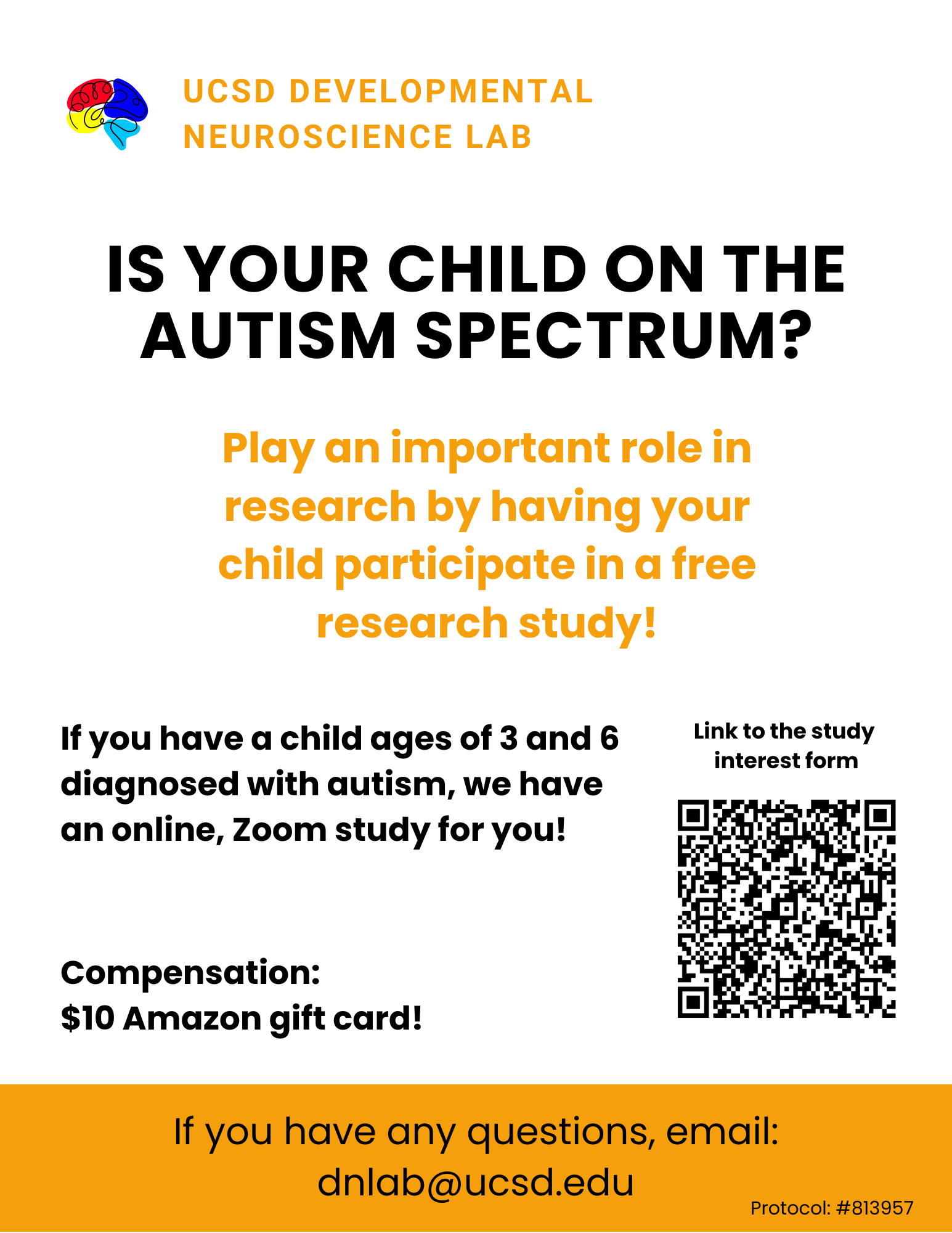
When children learn to understand others’ thoughts and intentions, they also begin making judgments, such as deciding whether actions are fair or unfair. But do autistic children develop these skills in the same way? This study explores that question by having children ages 3–6 watch puppet shows in which a puppet breaks a promise, sometimes with a good excuse, sometimes a selfish one. By comparing how autistic and non-autistic children judge the puppet’s behavior, we hope to better understand moral development across different minds — and ultimately improve social skills programs for autistic children.
Who can participate?
Kids with autism ages 3-6.
What will participants be doing?
In this study, your child will meet a friendly Head Puppet who introduces other animal puppet friends. Each puppet promises to show your child a cool toy, but sometimes they don’t bring one! When this happens, some puppets explain why, while others might not. After watching, your child will be asked to share their thoughts about what happened and which puppets they liked.
Why is this important?
Understanding how autistic children develop moral reasoning could help researchers design more effective, targeted social skills programs.