
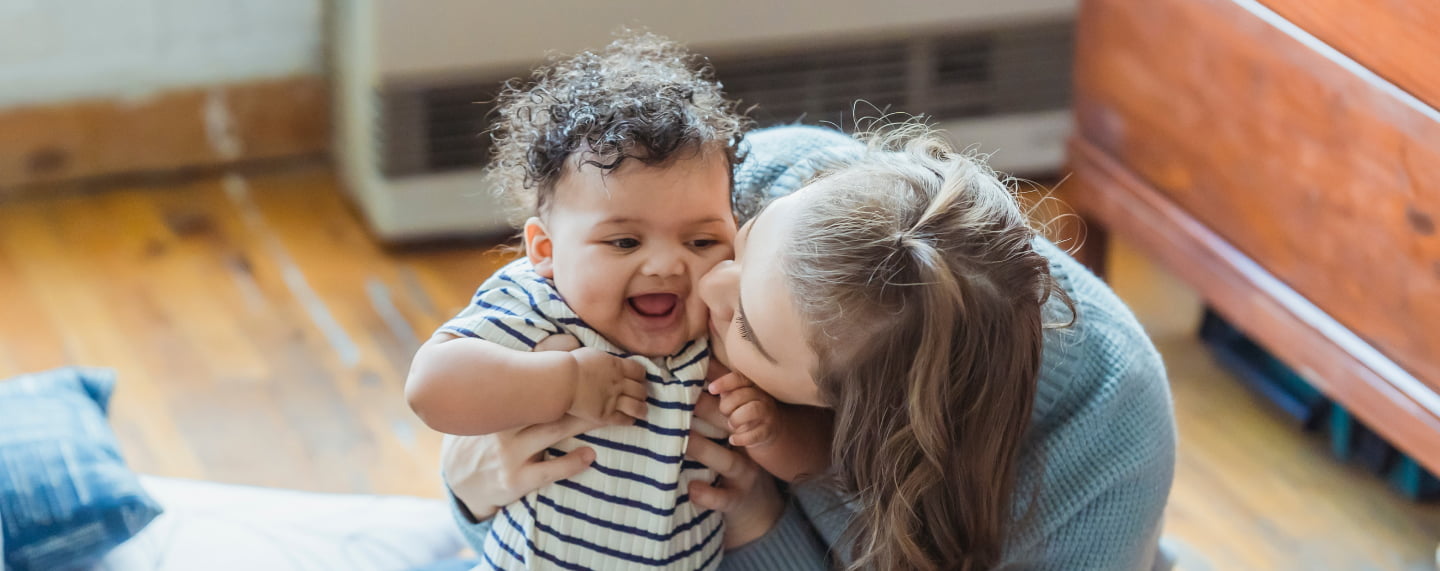
 Last week CNN.com reported on a study that showed slight improvement of autism symptoms in children that received a single infusion of their own umbilical cord blood. While the study was interesting, the authors were the first to acknowledge the limitations; however, this did not stop the media from misrepresenting the results. Details are explained in this podcast. In addition, a big win this week for precision or personalized medicine: different symptoms and different genetic mutations are linked to different outcomes from different anti-seizure medications.
Click here to listen to this week’s podcast with ASF Chief Science Officer Dr. Alycia Halladay.
 On Thursday, March 30th the Autism Science Foundation held their 4th Annual Day of Learning in NYC. If you were not able to attend and can’t wait for the videos of the talks, this week’s podcast with Dr. Alycia Halladay summarizes what was presented.
 The new study on mortality in people with autism may be overestimating the risk of drowning and suffocation in those with ASD. The study claims a higher rate of drowning and other accidental deaths in people with autism, which is true, but the magnitude of the effect they found was astronomical and misleading given the methodology. They counted people with autism based on information on their death certificates. Not everyone with autism has this code listed on their death ce
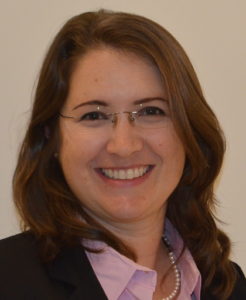 An op-ed by Dr. Alycia Halladay, Chief Science Officer of the Autism Science Foundation, was published today in Stat News:
 On Monday, the much anticipated MSSNG study which analyzed the entire DNA sequence of over 5000 people with autism was published. The press release can be found
 The brain is developing even after birth. So interventions that are given very early have the best chance of remolding and rewiring a brain with autism to prevent autism-related disabilities. This week, a group from the University of London, Duke University, and University of Washington measured brain activity during tasks that required social attention following two months of very, very, very early intervention. They found that the way the brain responded to social stimuli was more like those without an autism diagnosis. This study shows that a biological marker of brain function is altered after behavioral interventions that are intended to do just that – change the way the brain functions.
  Last month, UC Davis researcher Dr. Cyndi Schumann used resources from the Autism BrainNet to look at what causes differences in the rates of diagnosis between males and females. Consistent with other studies on this topic, males and females do not show differences in the rates of autism genes, but rather in the way that the brain controls other genes that code for things like neuroinflammation and development. Clearly more studies are necessary but it is consistent with the “female protective effect” in autism.
  This week the
  This week two studies which examined infants and younger children that will significantly advance understanding of causes and services for people with autism were published. After a commentary about the confirmation of Betsy DeVos, the study that used a practical methodology to improve autism screening in pediatrics clinic from researchers at
 With hundreds of genes, thousands of environmental factors, and now sex being variables in determining risk for autism, where should science start? Over the decades researchers have been able to start narrowing down the combinations based on specific behaviors of interest, genes, and mechanisms which may narrow down which gene, which environmental factor and which sex. Dr. Sara Schaafsma and